


Building Australia’s future: how apprenticeships can solve the national skills shortage
Building Australia’s future: how apprenticeships can solve the national skills shortage
Focus keyword: apprenticeships in Australia
Meta title: Building Australia’s future: how apprenticeships are solving the skills shortage
Meta description: Discover how apprenticeships in Australia are addressing the national skills shortage. Hands On Recruitment explores strategies to develop the next generation of skilled tradespeople.
The national skills shortage: a growing challenge
Australia is facing a significant skills shortage across key industries such as construction, manufacturing, agriculture, and trade services. As experienced workers retire and industries modernise, employers are struggling to find qualified candidates to fill critical roles. This gap threatens productivity, economic growth, and the ability to meet infrastructure and community needs.
Apprenticeships in Australia have emerged as a critical solution. By combining on-the-job training with formal education, apprenticeships prepare the next generation of workers to meet the demands of modern industries while equipping them with skills that are highly valued by employers.
Hands On Recruitment recognises that investing in apprenticeships not only addresses immediate labour shortages but also strengthens the long-term sustainability of Australia’s workforce.
Why apprenticeships are vital for the workforce
Apprenticeships offer a practical pathway for young people, career changers, and skilled migrants to enter essential trades. They provide structured learning, mentorship, and real-world experience that cannot be replicated through classroom education alone.
For employers, apprenticeships are a strategic investment. They allow businesses to:
- Develop loyal, skilled employees who are trained to meet specific workplace standards.
- Increase productivity by integrating new workers into workflows while they learn.
- Future-proof their workforce by ensuring critical roles are filled as older employees retire.
Industries such as plumbing, electrical services, carpentry, and welding are among the most affected by the skills shortage. Without proactive investment in apprenticeship programs, many employers risk project delays, increased labour costs, and reduced competitiveness.
Hands On Recruitment’s role in bridging the gap
At Hands On Recruitment, we support both employers and apprentices throughout the training journey. Our recruitment specialists understand industry-specific requirements and can connect businesses with candidates who have the right aptitude, motivation, and potential for long-term growth.
We also help employers:
- Design structured apprenticeship programs tailored to their operational needs.
- Access government incentives and subsidies to make hiring apprentices more cost-effective.
- Provide ongoing support and mentorship to ensure apprentices succeed and remain engaged.
For candidates, Hands On Recruitment acts as a career partner, guiding them toward opportunities that match their skills, interests, and long-term career goals. By connecting motivated apprentices with supportive employers, we help individuals launch meaningful careers while addressing Australia’s workforce needs.
The benefits for apprentices and businesses
Apprentices gain invaluable hands-on experience while earning a wage and formal qualifications. They also benefit from mentorship and professional development, building confidence and competence that set them up for a long-term career.
Employers, meanwhile, enjoy access to a pipeline of trained and loyal workers. They can mould apprentices to fit their workplace culture and technical requirements, reducing turnover and enhancing team productivity.
This synergy between apprenticeship training and workplace experience strengthens industries and contributes to a resilient, skilled workforce ready to meet future challenges.
The broader economic impact
Investing in apprenticeships does more than fill individual positions — it strengthens the economy. Skilled tradespeople are crucial to completing construction projects, maintaining infrastructure, and supporting manufacturing and agricultural production. By addressing the skills shortage now, Australia ensures continued growth, innovation, and competitiveness.
Furthermore, apprenticeships open doors for diverse candidates, including women, migrants, and career changers. This inclusivity helps industries broaden their talent pool and build more innovative, adaptable teams.
Looking ahead
As Australia continues to grow, the demand for skilled workers will only increase. Employers who proactively invest in apprenticeships will not only solve immediate labour shortages but also cultivate the talent necessary for future success.
Hands On Recruitment is committed to bridging the gap between ambitious apprentices and forward-thinking employers. By fostering partnerships, supporting training programs, and advocating for workforce development, we are helping build a sustainable, skilled, and resilient Australian workforce.
Recent Posts

Why seasonal labour matters to Australian farms Agriculture operates around seasonal cycles. Planting, harvesting, picking, packing and processing all create periods when farms need significantly more workers than they may require during quieter parts of the year. For agricultural businesses, having enough people available when work peaks is critical. A shortage of workers during harvest can lead to delays, increased pressure on existing employees and difficulties getting produce picked, packed and prepared on schedule. This is why access to reliable farm workers Australia is an important consideration for businesses managing seasonal agricultural operations. The challenge of seasonal workforce demand One of the biggest workforce challenges for farms is that labour requirements can change quickly. A business may operate with a relatively small permanent workforce for much of the year but suddenly require dozens or even hundreds of additional workers during a peak period. Hiring permanent employees to meet these short-term requirements may not be commercially practical. Seasonal farm workers provide a more flexible option, allowing agricultural businesses to increase their workforce when demand rises. Why timing is critical Agricultural work often operates within tight timeframes. When crops are ready to harvest, delays can have a direct impact on operations. Produce may need to be picked, sorted, packed and transported within a specific window. This means workforce shortages cannot always be solved by waiting for traditional recruitment processes to produce candidates. Farm businesses need to plan their labour requirements early and have access to workers when they are actually needed. A proactive recruitment strategy can make a significant difference during peak periods. Finding workers for different agricultural roles Not all farm jobs require the same skills or experience. Depending on the operation, businesses may need workers for: fruit and vegetable picking harvesting packing sorting farm maintenance general farm labour processing other seasonal agricultural tasks Understanding the specific requirements of each role helps employers recruit workers who are better suited to the work. A specialist agricultural recruitment Australia partner can help businesses identify candidates according to their workforce requirements. The importance of reliable workers Reliability is particularly important during harvest periods. When a farm is operating at full capacity, every part of the workforce contributes to keeping operations moving. Unexpected absences can place additional pressure on other workers and make it harder to complete time-sensitive tasks. Employers therefore need workers who understand the demands of agricultural work and are prepared to meet the required schedules. Reliability, availability and willingness to work are important considerations when building a seasonal workforce. Scaling the workforce without permanent overheads One of the main advantages of farm labour hire is flexibility. Agricultural businesses can increase their workforce when required without permanently increasing staffing levels throughout the entire year. This can be particularly useful for businesses with significant seasonal fluctuations. Instead of maintaining a large permanent workforce during quieter periods, employers can use flexible labour arrangements to respond to peak demand. This can make workforce planning more closely aligned with actual operational requirements. Reducing pressure on existing farm teams Peak agricultural periods can already be demanding for permanent employees and supervisors. When there are not enough workers available, existing employees may have to work longer hours or take on additional responsibilities. Additional seasonal workers can help distribute workloads more effectively. This can allow permanent staff to focus on supervision, specialised tasks and day-to-day operational management while additional workers support labour-intensive activities. Planning ahead for peak seasons Waiting until a harvest begins before looking for workers can create unnecessary pressure. The most effective seasonal workforce strategies start well before demand reaches its peak. Farm businesses should consider: expected production levels previous seasonal staffing requirements anticipated labour shortages start and end dates accommodation or transport considerations where relevant required worker numbers specific skills or experience contingency requirements Early planning gives employers more time to build an appropriate workforce. Supporting businesses when demand changes Agricultural conditions can change throughout a season. Weather, crop yields, market demand and operational requirements can all affect the amount of labour needed. Flexible staffing allows businesses to adjust more easily when workforce requirements change. If demand increases unexpectedly, additional farm workers Australia can help provide extra capacity. If the peak period ends earlier than expected, businesses can reduce their reliance on temporary labour. This flexibility can be valuable for agricultural businesses operating in unpredictable conditions. The role of an agricultural recruitment partner Finding reliable seasonal workers can take significant time, particularly when multiple positions need to be filled simultaneously. An experienced recruitment partner can help streamline the process by sourcing candidates and matching them with suitable agricultural roles. This can reduce the recruitment workload for farm owners and managers, allowing them to focus on running their operations. For larger seasonal requirements, having an established recruitment partner can also provide a more consistent approach to workforce planning. How Hands On Recruitment supports agricultural employers Hands On Recruitment provides workforce solutions across a range of industries, including agriculture. For farms and agricultural businesses, our approach focuses on understanding workforce requirements and connecting employers with suitable workers. Whether a business needs additional labour during harvest, support for seasonal operations or workers for ongoing agricultural roles, flexible recruitment can help provide the workforce capacity required. Building a dependable seasonal workforce Seasonal labour should not be viewed simply as a last-minute solution. For agricultural businesses, it can form an important part of long-term workforce planning. Developing a reliable recruitment process and maintaining access to suitable workers can help businesses prepare for each peak season with greater confidence. Conclusion Seasonal agricultural businesses need access to reliable workers when demand is at its highest. From harvesting and picking to packing and general farm work, having the right number of people available at the right time can help farms maintain productivity and meet operational deadlines. Farm labour hire provides agricultural businesses with a flexible way to scale their workforce without taking on permanent staffing costs throughout the year. With the support of a specialist recruitment partner, employers can plan ahead, access farm workers Australia and respond more effectively to changing seasonal requirements. Hands On Recruitment helps agricultural businesses build flexible workforces that can support their operations during peak periods and beyond.

Why warehouse staffing matters to business performance Warehouses are under constant pressure to receive stock, manage inventory, process orders and move goods efficiently. When there are not enough workers available, even routine operations can become difficult to manage. Orders can take longer to process, existing employees may face additional workloads and delivery schedules can be affected. For Australian businesses, having access to reliable warehouse staffing Australia solutions can make it easier to maintain operational capacity when workforce requirements change. The challenge, however, is not simply finding more workers. Businesses need people who are reliable, capable and suited to the demands of the warehouse environment. The cost of an understaffed warehouse A workforce shortage can have a direct impact on day-to-day operations. When there are fewer employees available than required, businesses may experience: slower order processing increased pressure on existing staff delays in dispatch reduced productivity difficulty meeting customer expectations increased overtime requirements challenges managing peak periods These issues can quickly affect the wider supply chain. For businesses operating on tight delivery schedules, maintaining appropriate staffing levels is therefore an important part of operational planning. Finding the right warehouse workers Recruiting warehouse staff requires more than posting a vacancy and waiting for applications. Different warehouse environments have different requirements. Some businesses may need pick and pack workers, while others require forklift operators, storepersons, dispatch staff or employees with experience in inventory management. A specialist warehouse recruitment agency can help employers identify candidates based on the actual requirements of the role. This creates a more targeted recruitment process and can reduce the time spent reviewing unsuitable applicants. Reliability is just as important as experience Technical skills matter, but reliability is equally important in warehouse operations. A warehouse depends on employees arriving on time, following procedures and working effectively as part of a team. Unplanned absences can create immediate pressure because other employees may need to take on additional responsibilities. When selecting warehouse workers Australia , employers should therefore consider factors such as work history, reliability, relevant experience and willingness to work the required shifts. Supporting peak periods Warehouse staffing requirements can change significantly throughout the year. Businesses may experience increased demand around: major retail periods seasonal sales product launches promotional campaigns end-of-year trading changes in customer demand Permanent staffing levels may not always be sufficient during these periods. Temporary warehouse staff can provide additional workforce capacity without requiring businesses to permanently increase their headcount. This gives employers greater flexibility when demand increases. Responding to unexpected staffing gaps Workforce shortages are not always predictable. Employees may take unexpected leave, resign or become unavailable at short notice. For warehouse managers, replacing an experienced worker quickly can be difficult, particularly when the business needs someone immediately. Having an established staffing partner can provide an additional recruitment channel when urgent workforce requirements arise. Instead of restarting the recruitment process from the beginning, employers can access candidates who are already interested in warehouse and logistics opportunities. Improving workforce productivity The right staffing levels can help employees work more effectively. When teams are adequately staffed, responsibilities can be distributed more efficiently. Workers are less likely to be constantly pulled between different tasks, and supervisors can manage workflows more effectively. Appropriate staffing can therefore support productivity without placing unnecessary pressure on individual employees. For businesses, workforce planning should consider not only how many people are required but also which skills are needed for different parts of the operation. Safety should remain a priority Warehouse environments can involve machinery, vehicles, manual handling and other workplace risks. Having enough appropriately trained employees is important for maintaining safe working practices. Understaffing can contribute to rushed processes or excessive workloads, potentially creating additional workplace risks. Businesses should ensure that workers have the appropriate skills, training and understanding of workplace procedures before placing them into operational roles. Flexible logistics staffing can support growth Businesses do not always grow at a predictable rate. A company may secure a new contract, expand its distribution operations or increase its product range, creating a sudden need for additional warehouse and logistics workers. Flexible logistics staffing Australia solutions can help businesses scale their workforce as operational requirements change. This can allow employers to respond to opportunities without immediately committing to a larger permanent workforce. Reducing the recruitment burden Warehouse managers and business owners often have limited time to dedicate to recruitment. Managing advertisements, applications, interviews, reference checks and onboarding can take attention away from operational priorities. Working with a recruitment partner can reduce some of this administrative workload. A specialist staffing agency can assist with candidate sourcing and initial screening, helping employers focus on candidates who are more closely aligned with their requirements. Building a dependable workforce The best warehouse staffing strategy is not simply about filling today's vacancies. Businesses benefit from developing a reliable workforce that can support their operations over time. This may involve a combination of permanent employees and flexible workers who can be brought in during periods of increased demand. Maintaining relationships with a recruitment partner can also make it easier to respond when new workforce requirements emerge. How Hands On Recruitment can help Hands On Recruitment provides workforce solutions across warehousing and logistics, helping Australian businesses access suitable workers for changing operational requirements. Our approach starts with understanding what the employer actually needs, including the type of work, required experience, working arrangements and workforce demand. From ongoing recruitment to temporary staffing requirements, having a recruitment partner can give businesses greater flexibility when building and managing their warehouse teams. Conclusion Reliable warehouse staffing is an important part of maintaining efficient business operations. The right workers can help businesses manage inventory, process orders, meet delivery requirements and respond to changing demand, while appropriate staffing levels can reduce pressure on existing teams. For businesses facing workforce shortages or seasonal increases, warehouse staffing Australia solutions can provide a practical way to strengthen operational capacity. By combining permanent employees with flexible staffing options, businesses can build a workforce that is better prepared for both everyday operations and periods of increased demand. Hands On Recruitment helps Australian businesses access warehouse and logistics workers based on their specific workforce requirements, providing practical staffing support when and where it is needed.

This is a subtitle for your new post
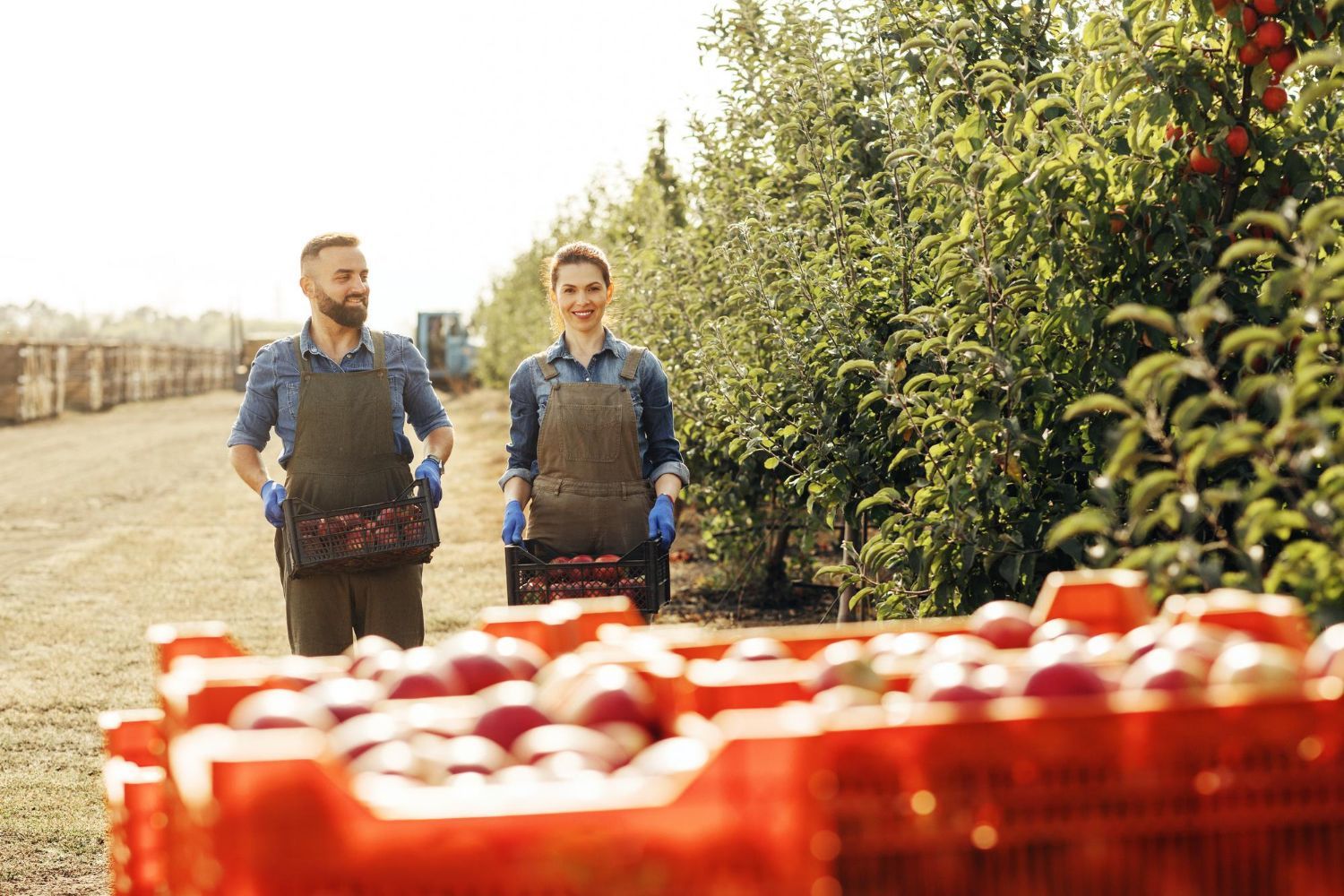
Why seasonal staffing matters in agriculture Australian agriculture depends heavily on having the right people available at the right time. Planting, harvesting, packing and other farm activities can create significant changes in workforce requirements throughout the year. For agricultural businesses, this can make workforce planning challenging. During peak periods, farms may need significantly more workers than they require during quieter periods. Without enough people available, businesses can face delays, increased workloads and pressure to complete time-sensitive agricultural activities. Access to reliable farm workers Australia businesses can depend on can help employers manage these seasonal changes more effectively. Understanding seasonal workforce demand Agricultural workforce requirements can vary depending on the type of operation, location and time of year. Demand may increase during: planting periods harvesting seasons fruit and vegetable picking crop processing packing periods livestock-related activities peak production periods These requirements may last for several weeks or months before reducing again. A flexible workforce allows businesses to respond to these changes without maintaining the same staffing levels throughout the entire year. Why reliable farm workers matter Agricultural work is often time-sensitive. When crops are ready for harvesting, delays can have a direct impact on productivity and business outcomes. Reliable agricultural workers Australia businesses recruit need to understand the importance of: punctuality physical work following instructions workplace safety teamwork consistent attendance Employers benefit from workers who are prepared for the demands of agricultural environments and can contribute effectively during busy periods. Managing peak harvesting periods Harvesting can create one of the greatest workforce demands for agricultural businesses. Depending on the operation, employers may need additional people for: picking sorting grading packing loading processing general farm assistance Finding enough workers at short notice can be challenging, particularly when multiple agricultural businesses are competing for the same workforce. Planning ahead and working with a recruitment partner can help employers prepare for these periods before demand reaches its peak. Farm labour hire provides flexibility Farm labour hire can give agricultural businesses access to additional workers when they need them. Rather than recruiting a large permanent workforce, businesses can bring in suitable workers for specific periods of increased demand. This can be useful for: seasonal harvests temporary production increases employee leave short-term projects additional packing requirements unexpected workforce shortages Flexible labour arrangements allow employers to adjust workforce levels according to operational needs. Recruitment should focus on suitability Finding workers quickly is important during seasonal periods, but suitability should remain a priority. Agricultural employers should consider: previous farm experience physical capability availability reliability willingness to work outdoors ability to follow safety procedures experience with relevant tasks Matching workers to appropriate roles can help businesses maintain productivity while reducing unnecessary turnover. Workplace safety remains essential Agricultural environments can involve machinery, tools, vehicles, animals and physically demanding activities. Employers need to ensure workers understand relevant workplace procedures and receive appropriate information and training. This is particularly important when bringing new or seasonal workers into an operation. Clear instructions, suitable supervision and a strong safety culture help workers understand their responsibilities and contribute to a safer workplace. Seasonal workers can support business growth Flexible agricultural staffing can also help businesses take advantage of new opportunities. An agricultural business may receive a larger order, expand production or enter a new market. Having access to additional workers can make it easier to increase operational capacity without immediately committing to a significant increase in permanent staffing. This flexibility can be particularly valuable for businesses whose workforce requirements fluctuate throughout the year. Start planning before the season begins One of the biggest mistakes agricultural businesses can make is waiting until peak season to start recruiting. A proactive approach allows employers to: forecast workforce requirements identify peak periods estimate required staffing numbers prepare role descriptions begin recruitment early organise worker onboarding Starting early gives employers more time to identify suitable seasonal farm workers and reduces the pressure associated with last-minute hiring. The role of agricultural recruitment A specialist agricultural recruitment Australia partner can help businesses manage seasonal workforce requirements more efficiently. Recruitment support can include: candidate sourcing initial screening workforce planning candidate matching recruitment coordination temporary staffing This allows agricultural businesses to focus on running their operations while recruitment professionals help manage workforce requirements. How Hands On Recruitment supports agricultural employers At Hands On Recruitment, we understand that agricultural businesses have workforce requirements that can change significantly throughout the year. Our recruitment services help employers access suitable workers for farm and agricultural roles, including seasonal requirements. We take the time to understand the type of work, timing, location and workforce numbers required before identifying suitable candidates. Whether you need additional farm workers Australia during harvest or ongoing recruitment support as your operation grows, our team can help you build a workforce around your operational requirements. Our wider recruitment services also support employers across healthcare, construction, administration, warehousing and logistics. Building a workforce ready for the next season Seasonal workforce planning should be an ongoing process. By reviewing previous seasons, forecasting future demand and maintaining relationships with recruitment partners, agricultural businesses can prepare more effectively for their next peak period. The goal is to have the right people available when they are needed without creating unnecessary staffing costs during quieter periods. Conclusion Skilled farm workers Australia businesses rely on can play an important role in maintaining productivity during seasonal peaks. From planting and harvesting to sorting, packing and general farm work, having sufficient workforce capacity is essential for time-sensitive agricultural operations. Using farm labour hire and working with an experienced agricultural recruitment Australia partner can give businesses greater flexibility while reducing the pressure of seasonal recruitment. Hands On Recruitment helps Australian agricultural employers access suitable workers for changing workforce requirements. Through practical recruitment support and flexible staffing solutions, we help businesses prepare for seasonal demand and build reliable agricultural teams.

Why reliable warehouse staffing matters Warehouses are at the centre of many Australian supply chains. From receiving and storing goods to picking, packing and dispatching orders, warehouse teams play an important role in keeping products moving efficiently. When there are not enough workers available, even routine operations can become more difficult. Businesses may experience: slower order processing increased workloads delivery delays overtime costs employee fatigue reduced productivity Reliable warehouse staffing Australia solutions can help businesses maintain the workforce they need while responding to changes in operational demand. Warehouse workforce requirements can change quickly Warehouse staffing requirements are rarely static. Demand can increase because of: seasonal sales new contracts business growth increased customer orders product launches holiday periods staff leave Businesses therefore need workforce solutions that can adapt when their requirements change. A combination of permanent employees and flexible staffing can provide greater capacity during busy periods without requiring organisations to maintain unnecessarily large permanent teams throughout the year. Finding the right warehouse workers Successful warehouse recruitment is about more than finding people who are available. Different warehouse roles require different skills and levels of experience. Depending on the operation, businesses may need: warehouse assistants pick and pack workers storepersons forklift operators dispatch workers receiving staff inventory workers A specialist warehouse recruitment agency can help businesses identify candidates whose experience and capabilities match the requirements of each role. Why experience matters Experienced warehouse workers Australia businesses recruit can often adapt more quickly to established processes and workplace expectations. Experience may include: picking and packing stock management inventory control goods receiving dispatch warehouse systems manual handling forklift operation The appropriate experience will depend on the specific position and workplace. Matching candidates to the right role can help reduce training requirements and support a smoother onboarding process. Supporting workplace safety Warehouse environments involve physical work, equipment and clearly defined procedures. Having appropriately trained and experienced workers is therefore important for maintaining safe operations. Businesses should consider factors such as: manual handling experience equipment knowledge workplace procedures safety awareness relevant licences where required ability to follow instructions Recruitment should always take these requirements into account before a worker is placed into a position. Temporary warehouse staff can provide flexibility Not every increase in warehouse demand requires permanent recruitment. Temporary warehouse staff can provide additional support during periods such as: seasonal peaks staff shortages large orders stocktakes new contract launches planned employee leave Temporary staffing allows businesses to increase workforce capacity when required and scale back when demand returns to normal. This can provide greater flexibility while helping permanent employees manage busy periods more effectively. Reducing pressure on permanent teams Workforce shortages can quickly place pressure on existing warehouse employees. When teams are consistently understaffed, employees may need to work additional hours or manage increased workloads. Over time, this can contribute to: fatigue reduced morale absenteeism employee turnover lower productivity Additional staffing can help distribute workloads more effectively and create a more sustainable working environment. Logistics staffing supports the wider supply chain Warehouse operations are closely connected to transport and logistics. Delays in picking, packing or dispatch can affect the next stage of the supply chain. This is why logistics staffing Australia businesses rely on needs to consider the entire operational process. Having suitable workers available across warehouse and logistics functions can help businesses maintain smoother movement of goods from receiving through to dispatch. Plan for seasonal demand early Many businesses experience predictable increases in demand during certain periods of the year. Waiting until a peak begins before recruiting can make it more difficult to find suitable workers. Instead, businesses can: forecast workforce requirements identify peak periods review previous staffing levels prepare job descriptions build candidate pipelines engage recruitment partners early Early planning gives businesses more time to find and prepare suitable workers. Choose a recruitment partner that understands your operation Warehouse recruitment requires an understanding of the roles, working environments and workforce challenges involved. A recruitment partner should be able to understand: shift requirements role responsibilities workplace location required experience safety requirements temporary or permanent staffing needs The better the recruiter understands the operation, the easier it is to identify suitable candidates. How Hands On Recruitment supports warehouse employers At Hands On Recruitment, we understand that Australian businesses need reliable people who can contribute to their operations. Our recruitment services support employers across warehousing and logistics, helping businesses identify candidates for a range of operational roles. We take the time to understand each employer's requirements before recommending suitable workers. Whether you need additional temporary warehouse staff during a busy period or are looking to build a more permanent warehouse team, our recruitment approach is designed around your operational needs. We also support employers across healthcare, construction, administration and agriculture, giving businesses access to recruitment support across multiple workforce requirements. Building a reliable warehouse workforce A strong warehouse workforce is built through a combination of good recruitment, appropriate training, clear expectations and effective workforce planning. Businesses that prepare for changing demand can respond more effectively when order volumes increase or staffing requirements change. The objective is not simply to fill today's vacancy. It is to build a workforce that can support efficient operations over the long term. Conclusion Reliable warehouse staffing Australia solutions can help businesses manage changing demand, reduce workforce pressure and maintain efficient warehouse operations. Whether an organisation needs permanent warehouse workers Australia or temporary warehouse staff , the right recruitment approach can make it easier to respond to operational requirements. Hands On Recruitment provides practical recruitment support for Australian businesses across warehousing and logistics. By understanding each employer's requirements and connecting them with suitable candidates, we help businesses build reliable teams that keep their operations moving.
Categories
Leave a reply
Your email address will not be published. Required fields are marked *

